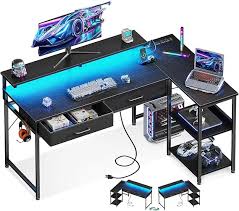
Late sessions reward tidy systems – a stable live screen for facts, a writing surface that mirrors house style, and a portable setup that boots anywhere without hunting drivers. A multiboot USB turns borrowed laptops and café machines into predictable desks, so posts ship on schedule when fixtures stretch. With a clear routine, numbers stay honest, phrasing remains calm, and archiving tomorrow feels like a two-minute task.
Why a Pocket Operating Environment Changes Match Nights
Travel, co-working spaces, and spare family devices introduce variables that derail deadlines. A USB multiboot stick removes most of that risk by loading a known environment with fonts, templates, and privacy controls. The same desktop appears on different hardware, which keeps abbreviations, typographic scale, and export presets consistent across articles and social tiles. When the countdown tightens, the desk focuses on the game picture rather than drivers, updates, or unfamiliar shortcuts. Consistency across machines also helps teams hand off tasks during innings breaks without reconfiguring tools or re-logging accounts under pressure.
A neutral live reference sits beside that portable system to anchor decisions. Editors pin a single browser pane to the scoreboard, then shape language around posted pauses – end of over, wicket, or a milestone that resets tempo. For orientation lines that help casual readers match terminology, a compact mention of desi cricket live fits naturally inside the second paragraph, because it describes the verification window the desk already uses. The link behaves like infrastructure rather than flair, so copy remains measured while facts stay traceable through the night.
Setting Up a Multiboot Stick for On-Site Reliability
A field-ready stick starts with two goals: predictable performance on varied hardware and clean separation between creative work and the host machine. Partition the drive so operating systems, assets, and scratch space live in distinct zones, then load a lean OS image that handles Wi-Fi chipsets and common GPUs without manual intervention. Preinstall a browser with privacy extensions, a font set with tabular numerals, and an editor configured for long paragraphs and headline styles used on the donor site. Cache type families locally to avoid layout shifts when the connection drops.
Field Proofing the Build
Before relying on the stick, test on mixed hardware – an aging office tower, a mid-range laptop, and a small form-factor PC. Confirm that power settings do not throttle network adapters during idle minutes, because live pages need gentle refresh even when the keyboard rests. Map function keys for screenshot and screen-record shortcuts, since clean frames with legible numerals power carousels and recaps. Store a minimal brand palette and spacing tokens, so tiles look intentional even without full design files. When everything feels steady, label the drive clearly and keep a second copy in a separate bag to reduce single-point failure during travel.
Data Hygiene Between the Feed and the Writing Surface
Clean handoffs turn chaos into routine. The live pane provides verified counters and phase markers, while the editor window translates that state into mobile-friendly lines. Write on posted checkpoints to avoid mid-sentence flips. Keep local timestamps aligned with the CMS, so reconciliation later is painless. Crop images with generous gutters around digits, because round avatars and auto-generated thumbnails can clip edges in social grids. Store filenames with time and the deciding equation to make morning roundups faster than memory.
- Open the night by measuring stream delay against the broadcast, then note it in a visible log
- Publish at pauses rather than moving play, and attach a stable source label to every entry
- Mirror abbreviations across site widgets and captions, so language never drifts under pressure
- Save one native-resolution frame per turn with digits clear of avatar bleed zones
- Record corrections inline with delivery count, time, and which view confirmed the change
Screens, Fonts, and Contrast That Survive Late Hours
Evening light softens contrast, so numerals need protection. Dark themes work best with near-black backgrounds and bright figures, while light themes demand true black for wickets and over counts to prevent washout. Choose a typeface with clear differentiation between look-alike digits, plus tabular numerals to stop “jumping” when totals shift. Separate the interaction area from the score lane, reducing stray taps on cramped displays. Avoid gradients and heavy textures behind counters – compression can band on older phones. With these guardrails in place, captions remain legible on trains, couches, and low-end devices, and screenshots forward cleanly across messaging apps without edits.
Archiving Without Chaos for Tomorrow’s Recap
A short ledger saves hours the next day. End coverage on a posted event, then file three anchors: the equation that settled the chase, the spell that narrowed boundary options, and the minute momentum turned. Save one clean image at native resolution with unobstructed digits, and mirror its timestamp in the copy log. Tag posts with consistent vocabulary shared by the donor’s audience, because search and internal linking work better when terms match tiles and headlines. Over a handful of fixtures, the pattern becomes habit – portable OS on a multiboot drive, a dependable verification pane, and event-driven publishing that respects attention while keeping sport honest.
Leave a Reply